FORSEE_D5.2_Analysis-of-trade-unions-perspectives-on-AIs-impact
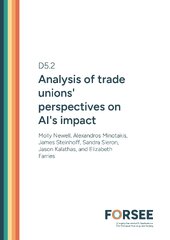
This report aims to understand how workers are experiencing AI in their workplaces, how AI might affect them going forward, and what unions can do and are doing to support their members. The report analyses 32 interviews with representatives from 31 unions across Europe to understand how they perceive AI’s effects on workers now and in the future.
Trade unionists describe workers’ perspectives on AI as mixed, ranging from anxiety and reservations to optimism and enthusiasm. Concerns were compounded by limited consultation, a lack of training, the opacity of AI systems and broader labour conditions within particular occupations and sectors.
Union representatives were optimistic that AI could improve productivity and workplace safety. These potential benefits, however, were largely outweighed by the risks. Key concerns of AI include job loss, intensification, algorithmic management and a loss of control, technical AI issues, intellectual property theft, and global political and environmental challenges.
European trade unions are seeking greater control over how AI affects workers. Their efforts to obtain control for workers can be grouped into four areas: capacity building, collective bargaining, industrial action, and legal and regulatory work. However, they tend to lack the resources they perceive as necessary to adequately address it.
This report was produced in partnership with the EU's FORSEE project. The project's mission is to analyse existing successful AI applications to strategically enhance the capabilities of the AI industry, policymakers and the public to address the future risks and opportunities of AI.
Explore other publications from the FORSEE project here FORSEE – Forging Successful AI Applications for European Economy and Society